
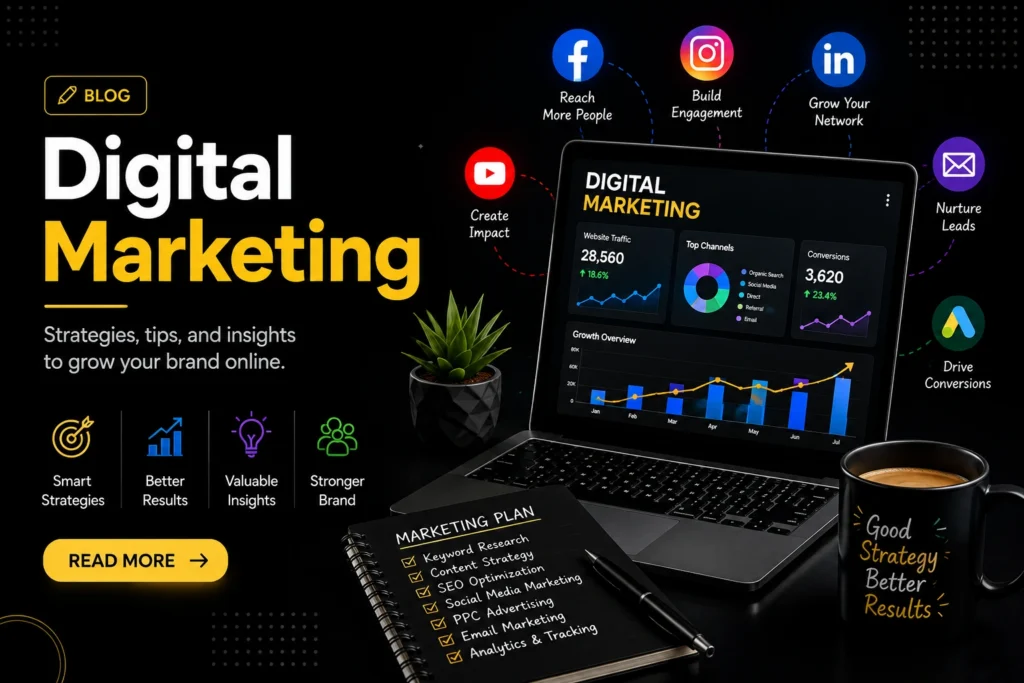
Social media has changed the way businesses connect with people. Today, having a website alone is not enough. People want to see what a brand is doing, what it stands for, and how it communicates with its audience. Platforms like Instagram, Facebook, LinkedIn, and YouTube have become important places where brands can build relationships with potential customers.
But social media marketing is not simply about posting every day. There is a lot more behind a successful social media page. It involves understanding people, creating useful content, starting conversations, and learning from what works.
Start by Understanding Your Audience
Before creating content, a social media marketer needs to know who the content is actually for.
What does the audience like? What problems do they have? What kind of content do they usually watch or share? Which platform do they spend most of their time on?
These questions may sound simple, but they can make a big difference.
For example, a clothing brand targeting younger customers may get better results from Instagram Reels, trends, and creator collaborations. A company selling professional services may find LinkedIn more useful for sharing industry knowledge and building credibility.
When a marketer understands the audience, content becomes more relevant. Instead of simply trying to sell something, the brand starts talking about things that actually matter to its customers.
Good Content Is More Than Just Promotion
Nobody wants to follow an account that is constantly saying, “Buy this” or “Check out our offer.”
People follow pages because they find something useful, interesting, entertaining, or relatable.
That is why a good social media strategy should include different types of content. A brand can share helpful tips, educational posts, entertaining videos, customer stories, behind-the-scenes moments, product information, and occasional promotions.
For example, a digital marketing agency could share simple marketing tips, common mistakes businesses make, social media updates, client experiences, and short educational videos. This type of content can show expertise without making every post feel like an advertisement.
The important thing is to give people a reason to stop scrolling.
Why Short Videos Matter
Short-form videos have become a major part of social media. Reels, Shorts, and similar formats give brands a chance to reach people who may not already follow them.
A short video can show a product, explain a quick tip, answer a common question, or simply entertain the audience. Sometimes, even a 20-second video can communicate an idea better than a long caption.
But following trends blindly is not always the best approach. A trend should fit the brand. If it feels forced, people can notice that quickly.
The best short-form content usually feels natural while still having a clear purpose.
Followers Are Not Everything
It is easy to look at follower numbers and think that a bigger number means better marketing. In reality, followers are only one part of the picture.
A page with 5,000 followers who actively comment, share, save, and message may be more valuable than a page with 50,000 followers who rarely interact.
This is why social media marketers pay attention to engagement. Comments, shares, saves, story replies, direct messages, and link clicks can tell a much better story about audience interest.
Engagement also gives brands an opportunity to build relationships. Replying to a comment or answering a customer’s message may seem like a small action, but it can make the brand feel more approachable and trustworthy.
Organic Content and Paid Ads Can Work Together
Organic content is important for building a community, but paid advertising can help a brand reach a larger and more targeted audience.
Social media ads can be useful when a business has a specific goal. It could be promoting a new product, getting website visitors, generating leads, increasing app downloads, or simply introducing the brand to more people.
The key is to know what the campaign is trying to achieve before spending money.
A common mistake is boosting a post just because it performed well organically. While that can sometimes work, marketers should also consider the audience, campaign objective, creative, budget, and expected result.
Paid advertising works best when it is part of a larger strategy rather than something done randomly.
Learn From the Numbers
Social media marketing involves creativity, but it also involves a lot of learning.
After publishing content, marketers can look at the numbers to understand what happened. Which post received the most engagement? Which video kept people watching? Which topic received the most saves? Did people click the website link?
These insights can help shape future content.
For example, if an account notices that short educational videos consistently perform better than static promotional posts, the marketer can create more videos around similar topics.
There is no need to get everything perfect on the first try. Social media gives marketers the opportunity to test different ideas, see the response, and improve along the way.
Make the Brand Feel Human
One of the best things a brand can do on social media is show the people behind it.
People like seeing real moments. A quick look at the team, a behind-the-scenes video, a customer story, or even the process of creating a product can make a brand feel more genuine.
This is where storytelling becomes powerful.
Instead of simply saying that a product is good, a brand can explain why it was created, what problem it solves, or how it helped a customer. Stories give people something they can connect with.
A polished advertisement might grab attention, but authentic content can help build trust.
The Real Goal of Social Media Marketing
Social media marketing is not just about getting more likes or followers. At its core, it is about creating a connection between a brand and its audience.
A successful social media marketer needs to understand people, create content they actually want to see, communicate consistently, and pay attention to the results.
Trends will change. Platforms will introduce new features. Audience preferences will continue to evolve. But one thing will remain important: people connect with brands that understand them and communicate in a genuine way.
When strategy, creativity, consistency, and authenticity come together, social media can become much more than a place to post content. It can become a powerful way for a brand to build trust, grow its community, and turn online attention into real business opportunities.
Frequently Asked Questions (FAQ)
1. What is social media marketing?
Social media marketing is the process of using platforms like Instagram, Facebook, LinkedIn, and YouTube to promote a brand, connect with an audience, build trust, and achieve business goals.
2. Why is social media marketing important for businesses?
Social media helps businesses reach their target audience, build brand awareness, communicate directly with customers, and create opportunities for growth and sales.
3. Is having a large number of followers important?
Not necessarily. Engagement is often more valuable than follower count. An active audience that comments, shares, saves, and interacts with a brand can be more useful than a large but inactive following.
4. Should businesses focus on organic content or paid advertising?
Both can be useful. Organic content helps build relationships and a community, while paid advertising can help businesses reach a larger and more targeted audience. Using both as part of a clear strategy can be effective.
5. How can a business improve its social media performance?
Businesses can improve by understanding their audience, creating useful and engaging content, maintaining consistency, monitoring analytics, testing different content formats, and learning from the results.